Sometimes Monday’s writing memes are funny, and sometimes they are inspiring. Hope today’s are food for thought!
Enjoy!
🙂
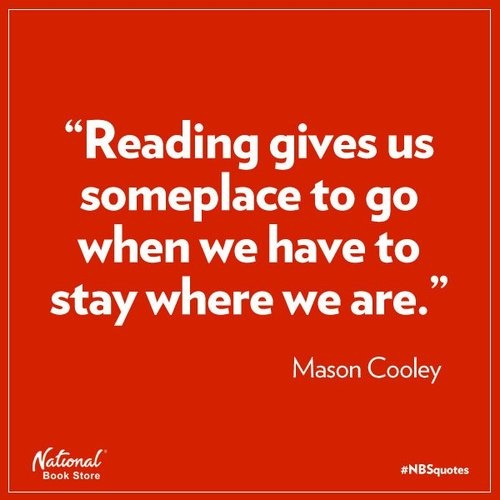


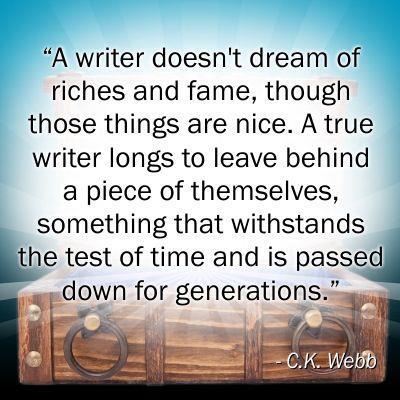
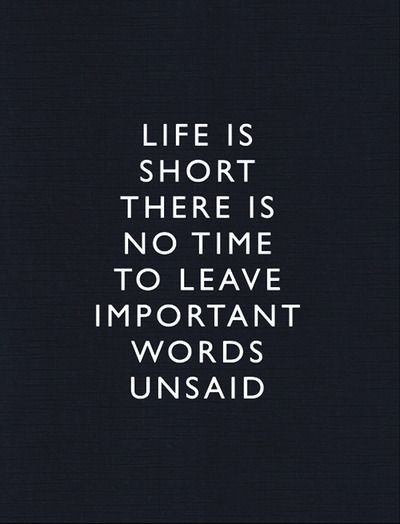


And there you have it, my friends!
Have a great Moon’s Day and an even greater week!
❤
Sometimes Monday’s writing memes are funny, and sometimes they are inspiring. Hope today’s are food for thought!
Enjoy!
🙂
And there you have it, my friends!
Have a great Moon’s Day and an even greater week!
❤


Check out Sally Cronin’s Weekly RoundUp post on her fabulous Smorgasbord blog. LOTS of great stuff this week you won’t want to miss! Enjoy!
😀
Here’s the link:


Joan’s post today on Story Empire was especially interesting to me, as it deals with Writing Sprints. What a great idea for pushing yourself to get moving with a stalled (or very slow) WIP. Check it out, and you’ll see what I mean. And then, I do hope you’ll share the post with others. It seems a LOT of us could make use of her suggestions these days. Thanks, and thanks to Joan for sharing her tips.

Have you ever written a Cinderella story? Join Staci Troilo for her post today on Story Empire, continuing her “Basic Plots” series. It’s most excellent, and I’m saving this entire series for future reference. Hope you’ll check it out, and will remember to pass it along so others can ponder these basic plots, themselves. Thanks, and thanks to Staci for showing me another way to look at plots. Excellent post! 🙂
Ciao, SEers. I’ve been talking about Vonnegut’s five basic plots. So far, I’ve discussed Man in Hole and Boy Meets Girl, which you can find by clicking the links. Today, I’m going to talk about the third plot type, Cinderella.
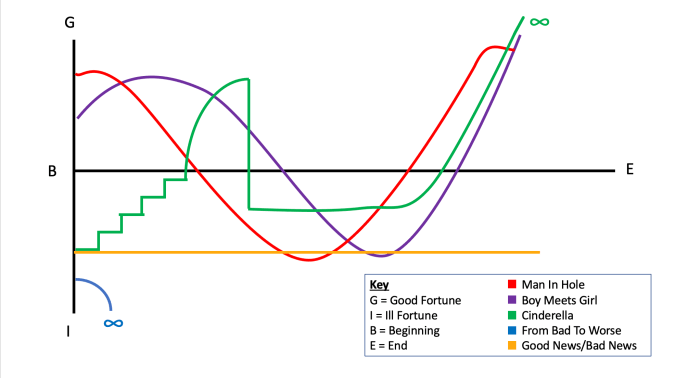
As I’ve described before, Vonnegut plotted all stories on a grid. The vertical axis was the GI-Axis, and it ran from good fortune to ill fortune. The horizontal axis was the BE-Axis, and it ran from the beginning to the end of the story.
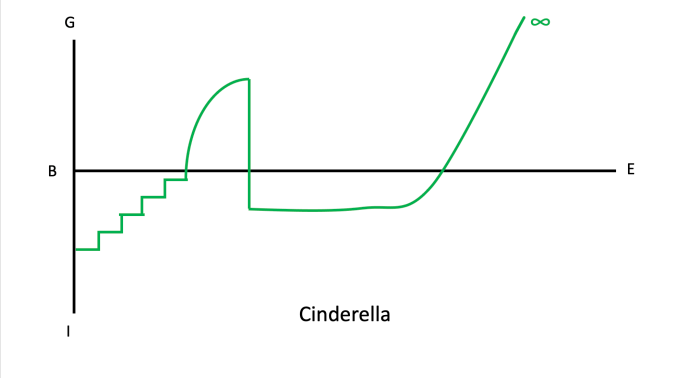
The Cinderella story type is one that should be familiar to you, maybe not as a plot-type, but by the story itself. First, let’s consider the structure. Vonnegut taught us that readers like to follow heroes who start the story above the midpoint of the GI-Axis. But in this case, we break this trend. This particular hero starts below the midpoint. This is someone…
View original post 351 more words


Just a couple of grins to get you through to the weekend!
Enjoy!
😀
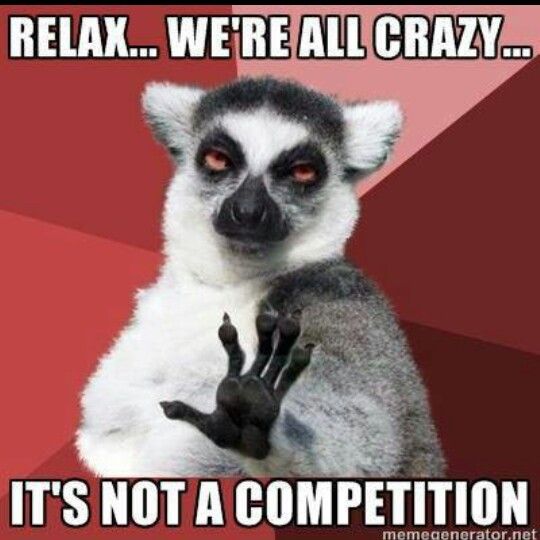

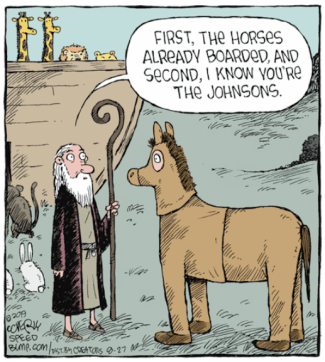
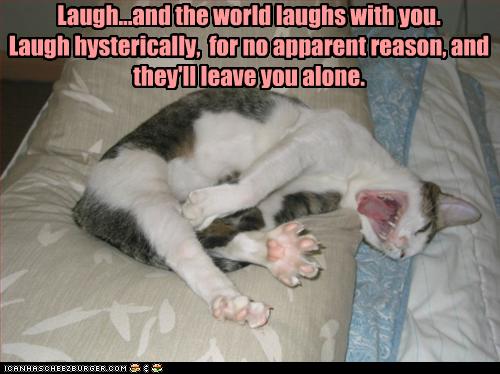

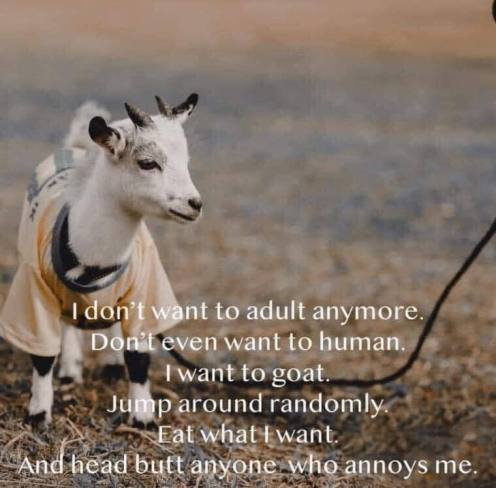
There. That should do you for a while! 😀 😀 😀

On Story Empire today, Craig Boyack returns to his “Expansion Pack” series, specifically with some super tips on how to use comedy in your writing. I found his examples to be excellent, and definitely plan to give a couple of them a try in my own work. Stop by to check it out, and you’ll see what I mean. And, as always, please don’t forget to pass it along far and wide so others can learn, as well. Thanks, and thanks to Craig for a fun, yet very informative post! 🙂
 Hi gang. Craig here again with more comedy items you can plot out ahead of time. The last post was pretty popular, so why not a sequel. The previous post contained a list of traditional gags along with some examples you might be familiar with. You can read it here if you’re coming in during the middle.
I even have a wrap-up post planned that includes some items you don’t plan for, but that’s next time. Let’s jump into our list. Everyone loves lists, right?
Misplaced Optimism: This lands at that point of the story when all is lost. It’s the inspirational speech that gets the heroes back on their feet. You’ve all heard those wonderful speeches before.
Here’s how the gag works. After the heroes are in motion once more, someone says something like, “It all worked out for them, right?”
The speech maker says, “No, they all died…
View original post 658 more words
Ever wanted to write a short story, but had no idea where to begin? Denise Finn has some wonderful thoughts on this subject in her post today on Story Empire. Maybe her tips will help you get started. Hope you’ll stop by to check it out, and will then pass it along so others can consider the idea, too. Thanks, and thanks to Denise for such a great post! 🙂
Hi SEers! Denise here with a post about something I’ve been enjoying lately, short stories.

When I get an idea in the middle of the night or the shower, I write it down. It can be the first paragraph and then the direction I see it going. Usually, it ends up becoming a book, but not always. Sometimes, I have a short story to write.
short sto·ry
/SHôrt ˈstôrē/
noun
—-Definitions from Oxford Languages

How long is a short story?
These word counts can vary. You need to check guidelines for any site or publisher where you submit work.
Novel: 40,000 words and up, but it is more common for novels to be over 50,000
Novella: 20,000-39,999 words
Novelette: 7500-19,999 words
Short story: 1000-7499 words
Flash fiction: 100-1000 words
Micro-fiction: Under 100 words…
View original post 436 more words
It’s that time again, folks! Sally Cronin’s Smorgasbord Weekly Round-Up! And what a great week it was, too. (Anyone besides me old enough to remember the TV show “That Was The Week That Was?” I always think of that when sharing Sally’s round-up with you. 😀 )
I know you’ll enjoy checking this one out and passing it along, too. Thanks, and as always, thank you Sally for rockin’ through another week! You’re the best! 🙂
Running a day late, but Harmony Kent’s Story Empire post yesterday was way too good not to pass along! Been thinking about making a video to promote a book or two? Harmony has shared a step by step set of instructions for doing so using Canva. Take a look to see what I mean. (And how about that wonderful example she made with her book The Glade? Fantastic stuff! I’m going to give this a try myself, for sure. After you’ve seen how cool it is, I think some of you will want to do so as well. Hope you’ll remember to pass the post along far and wide, too, so others can see how to do this. Thanks, and thanks to Harmony for a superb lesson! 🙂
 Image courtesy of Pixabay
Hi SErs! Harmony here 😁 Today, I have another Canva tutorial for you. This one is all about using Canva to make a free and easy video, which you can use for all sorts of promotional purposes … including a book promo trailer.
For this tutorial, I’m using Canva online rather than my App on my iPad. So some of the screenshots will look different, depending upon which version and App you’re using. However, the instructions are essentially the same.
**You can make videos in both the free and paid options on Canva**
Open Canva and choose a template:

Usually, I start with a blank template. Some of the done-for-you content requires a paid subscription. However, you can start with a done-for-you and swap out the paid images for free graphics–either from within Canva or from an image you upload.
You will need to choose your…
View original post 305 more words

Submissions for #FirstLineFriday are officially closed now. My thanks to all who emailed me with their guesses. This is one of my favorite opening lines, and well deserving of being included in this list, in my own opinion. Sadly, wonderful as it is, many of us who’ve read the book seem to have forgotten it. Happily, two folks remembered. Congratulations to our winners:
Hope you two will enjoy the books you selected!
And now, here’s the answer to today’s quiz:
“When I wake up, the other side of the bed is cold.” is the opening line from The Hunger Games, a series of young adult dystopian novels written by the American author Suzanne Collins. The series is set in the Hunger Games universe, the first three novels being a trilogy following teenage protagonist, Katniss Everdeen.
The novels in the trilogy are titled The Hunger Games (2008), Catching Fire (2009), and Mockingjay (2010). These novels were all turned into films starring Jennifer Lawrence, with the film adaptation of Mockingjay split into two parts. The first two books in the series were both New York Times best sellers, and Mockingjay topped all US bestseller lists upon its release. By the time the film adaptation of The Hunger Games was released in 2012, the publisher had reported over 26 million Hunger Games trilogy books in print, including movie tie-in books.
The Hunger Games universe is a dystopia set in Panem, a North American country consisting of the wealthy Capitol and 13 districts in varying states of poverty. Every year, children from the first 12 districts are selected via lottery to participate in a compulsory televised battle royale death match called The Hunger Games.
The novels were all well received. In August 2012, the series ranked second, exceeded only by the Harry Potter series in NPR’s poll of the top 100 teen novels, which asked voters to choose their favorite young adult books. On August 17, 2012, Amazon announced the Hunger Games trilogy as its top seller, surpassing the record previously held by the Harry Potter series. As of 2014, the trilogy has sold more than 65 million copies in the U.S. alone (more than 28 million copies of The Hunger Games, more than 19 million copies of Catching Fire, and more than 18 million copies of Mockingjay). The Hunger Games trilogy has been sold in 56 territories in 51 languages to date.
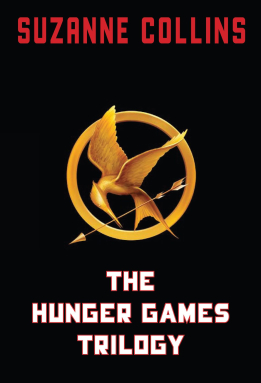
WHAT AMAZON SAYS:
In the ruins of a place once known as North America lies the nation of Panem, a shining Capitol surrounded by twelve outlying districts. Long ago the districts waged war on the Capitol and were defeated. As part of the surrender terms, each district agreed to send one boy and one girl to appear in an annual televised event called, “The Hunger Games,” a fight to the death on live TV. Sixteen-year-old Katniss Everdeen, who lives alone with her mother and younger sister, regards it as a death sentence when she is forced to represent her district in the Games. The terrain, rules, and level of audience participation may change but one thing is constant: kill or be killed.
BUY THE HUNGER GAMES HERE
And that wraps up this week’s #FirstLineFriday quiz. Thanks for playing everyone! Hope to see more winners next time, but for now, congratulations again to Bob and Harmony! Happy Reading, you two!


Crafting Compelling Stories from the Heart
Southern stories of grace and grit
Writing Tips from Valerie Ormond
Author, Artist, Poet
Fantasy Author
Author
Christian Fiction Reviews by Christian Authors
Mystery, magic and mayhem
Passionate Teacher and Future Children's Author
Writing Advice from a YA Author Powered by Chocolate and Green Tea
Humor at the Speed of Life
TELL YOUR STORIES, LOVE YOUR LIFE
From Rat Race to Road Trip: Overlanding With Four Dogs!
Author Page
Random thoughts, life lessons, hopes and dreams
A groovy little website by children's book author Mike Allegra
Mind-Blowing Facts You Didn’t Know
Suspense Lives Here
Embrace your inner child by reading a good book!
WordPress & Blogging tips, flash fiction, photography and lots more!


 The Write Stuff