Convince your reader to take a leap of faith (instead of a flying leap)

image By Ned Hickson

Writing must ring true with readers for them to become emotionally invested. This is particularly important when it comes to fiction, where you are often asking readers to suspend their disbelief and buy into something — such as an eccentric character, over-the-top situation or random reference to the new iPad6® in hopes of getting a free one — that requires a leap of faith. In this case, your reader is making a “leap” over reality because they have faith that you, the writer, will keep them safely suspended until they land safely on the last page. Assuming, of course, your book doesn’t end with, “…Then there was a massive explosion and everybody died, including the basket of puppies.”

As with taking any kind of leap, you must first gain momentum through a series of confident and quickening footfalls along a solid foundation. This applies to your writing as much as it does, hypothetically speaking, to clearing the front fence of your home in order to beat your son to the restroom after a long car ride. Without the right amount of momentum, your reader could end up — again, hypothetically speaking — doing the splits on a picket fence.

The most effective way for a writer to build a reader’s momentum toward a solid jumping-off point is through writing that resonates with an underlying honesty. This doesn’t mean confessing how you re-named areas of Mrs. Flunkem’s 7th-grade world map with parts of the reproductive system. Although changing “Panama Canal” to “Fallopian Tube” is worth mentioning, hypothetically speaking of course. No, when it comes to honesty in fiction writing I’m referring to what I like to call the “Double-D” approach, and not for reasons you might think. In this case we’re referring to “dialogue” and “description” that ring true enough to establish believability — and lay the foundation of confidence your reader will need when asked to make that leap with you. This applies equally to completely fictional characters, real people written within a fictional context (such as my “interviews” with Kevin Spacey and Clay Aiken), and the persona we project on our blogs and social media sites.

Dialogue is used to convey many things, from mood to information, plot points to character profiles. Because writing dialogue is complex and deserves its own post, today I’m focusing specifically on ways to make your dialogue — whether character driven or as author narrative — ring true and build trust with your reader. In a later post, we’ll talk about the difference between “telling and showing,” avoiding too many “he said, she said” references and the common mistake of nonsensical “action” dialogue (“Then I’m LEAVING!” he yelled, slamming the door on her still-parted lips poised in reply…)

*rubs lips*

Also, for purposes of this post, the subject of “description” will be limited to building believability in your character by effectively describing their actions. We’ll save descriptive passages like “The sun was setting in the canyon like a giant navel orange into God’s fruit bowl…” for another time.

Dialogue: It’s one of the fastest ways to earn — or lose — a reader’s trust. Whether it’s your voice as a blogger or words spoken by someone in a story, you are essentially having a conversation with your reader asking them to “believe.” And just like that guy at your office who is always talking about his nights of crazy sex when, in fact, you took your kids to the dollar theater Friday night and saw him sitting alone watching “Frozen,” you know he’s full of Whoppers. The same goes for your readers.

Unless they’re too busy singing “Let It Go.”

Assuming they aren’t, possibly because they have been shot, here are three tips to writing dialogue readers can believe in:

1) When writing narrative dialogue, don’t allow yourself to fall into “lecture” mode. We don’t like it from our parents, teachers, bosses, ex-wives, etc., and readers don’t either. Always keep your reader in mind. Pause every few paragraphs or minutes, depending on how fast you type (total elapsed time for this paragraph: three days) and ask yourself, “If I was having this conversation on the street with a stranger, what would they be thinking right now? Would they have questions? What feedback would they have? If someone drove by on a motor scooter, would they yank them off and steal the scooter just to get away?” You are building a relationship with your reader and, as with any good relationship, the other person needs to feel acknowledged. You can do this many ways, including throwing a question directly into your narrative.

See what I mean?

It’s a way to break out of the lecture mode and invite them into the conversation. Another approach is specifically stating the question they might have…

I know what you’re thinking: Is he always this verbose, or is it the coffee?

Narrative “dialogue” should be just that: Narrative that makes your reader feel included or acknowledged in the conversation, which builds trust.

2) Dialogue from a real person within a fictional context is simultaneously easy and extremely difficult. I say this because, on one hand, you have the nuances of their dialogue pattern already established in television and magazine interviews; it’s simply a matter of studying the way they speak and incorporating it into the dialogue you are creating for them. On the other hand, if you get it wrong, every reader will know it immediately.

I’m not buying it. Angelina Jolie would never refer to her children as “My little sucklings.”

In this case, you have to think of your dialogue as a caricature, making sure to include specific details of the person’s speech pattern — choice of words, cadence, vocabulary — that are recognizable as theirs. Just like how a caricature artists relies on key physical traits that distinguishes one individual from another, you must do the same when sketching out dialogue representing a famous person. Even if you don’t regularly “interview” famous people like I do (at least until there’s an injunction), it’s a great writing exercise that forces you to analyze all the nuances of dialogue.

Or as Angelina Jolie would say, “Go ahead — Make my day.”

3) Writing character dialogue that rings true and earns a reader’s trust really comes down to one basic principle: Consistency. I purposely placed this after “famous person dialogue” because many of the same rules apply. Though you’re writing about a fictional person, readers will recognize when you’re not being “true” to the character. When we meet new people, we instinctively study them to determine how far the relationship will extend. Acquaintance? Confidante? If there are inconsistencies in their behavior, such as explaining how they own a Porsche dealership yet leave the bar driving a 1987 Ford Fiesta, we tend to question their honesty. The same goes for character dialogue. Readers study it and quickly form an opinion. If the character’s vocabulary isn’t consistent, or they speak in bullet points one minute then in long Shakespearian soliloquies the next, you’ll lose your reader’s trust.

‘Tis truth I speak.

So take time to determine the nuances of your character’s speech pattern in the same way you would with their physical appearance and backstory. Or backside. Or whatever.

This is officially the longest post of my life. If you’ve made it this far, I thank you for taking this leap of faith with me. If you didn’t make it this far, then I can call you a big jerk and you’ll never know.

Next week, we’ll continue with “Description,” and tips on how it can enhance dialogue and build trust with your readers that will make them want to take a leap of faith — instead of a flying leap.

imageNed Hickson is a syndicated columnist with News Media Corporation. His first book, Humor at the Speed of Life, is available from Port Hole Publications, Amazon.com or Barnes & Noble.

Paid book promotions worth their salt, part 1

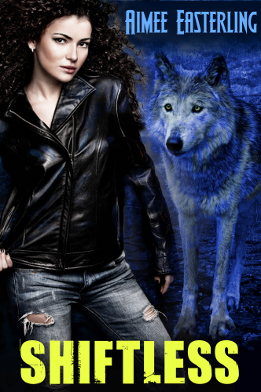
ShiftlessI started to write this post last week…and it quickly grew way too long and never got published. So, I’ve decided to break my rundown in half. This first post will cover why and how you might choose to pay for book advertising, and the next post (whenever I once again need a break from my work in progress) will dive deeper into the nitty gritty of specific advertising platforms that have and haven’t worked for me. So, I apologize in advance for any questions you might still have unanswered when you hit the bottom of this page! More is to come.

Why pay for advertising?

I should start this post by telling you that I’m a skinflint (if you haven’t already figured that out). So, when I started reading kboards and heard everyone going on about paid promotions, my first thought was, “No way am I spending money on book promotions.” My my second thought was equally unkind: “And isn’t that gaming the system?”

Results of a free run

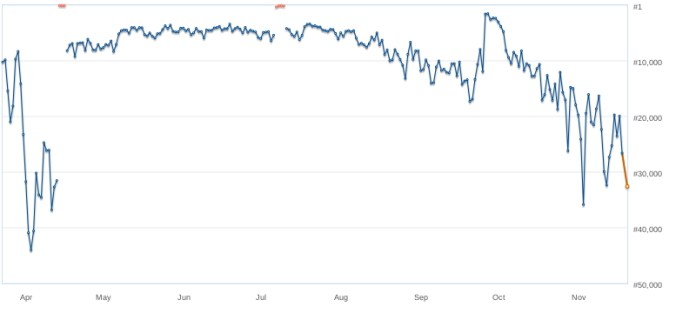
But the truth is that the old-fashioned method of gaining exposure — setting your book free and then notifying unpaid websites that report on free books — is starting to show diminishing returns. The chart above shows my excellent results for a free period  (orange dots) during Shiftless‘s early days. Pre-promo, the 99-cent ebook sold a few copies, but quickly drifted down in the rankings. But I notified a few sites before my free period, gave away several thousand copies, and suddenly Shiftless started taking off organically. With no further promotion, the book began ranking around 5,000 in the Amazon store and stayed there (with the help of another free run) until I raised the price to $2.99 in August. (I may change my mind about that price hike, especially now that I almost have another book in the series nearly ready to go…but that’s fodder for another post.)

Anyway, to cut a long story short, free periods used to be golden…but their efficacy is much more hit or miss lately. Part of the problem is that Amazon’s affiliate program now reduces earnings for affiliates who send too many free-book buyers their way, so fewer and fewer sites are willing to list free books pro bono. Also, once you’ve had one or two really good free periods, you’ve somewhat saturated the market, and you’re less likely to spike into the top-100 free, meaning that you’ll catch many fewer eyes and won’t get as much of a boost from the promo.

So, what’s the solution? Well, writing more books is key since each launch will boost sales of previous books. But we can only write as fast as we can write, so many authors turn to paid promotions in the interim.

How (not) to pay for advertising

Watermelon SummerWhen I talk about paying for advertising, you  may think of buying a billboard or signing up with google ads. But most readers find books via word of mouth, so these untargeted advertising campaigns don’t seem to work very well. (That said, one kboarder reported having great results with a very specific facebook advertising campaign, which might be worth a try if you spend a lot of time on facebook and want to leverage what you know.)

So, what does work? Book recommendation email lists. As a reader, I’ve signed up for several, but have settled on using Bookbub as my primary way of finding free books worth reading — something about Bookbub’s method of choosing titles seems to select for quality, and it’s much easier to comb through three daily freebies in the genres that I enjoy than to browse the entire Amazon free lists. Bookbub also lists books reduced in prize to 99 cents (or, sometimes to $1.99 or $2.99), and I assume the less skinflinty readers use my same methodology but actually pay money for these sale books.

Bookbub is the big dog in the book-recommendation world (and I’ll write about them more in a later post), but there are many smaller options for those of us with less ready money. In fact, some of the email lists will showcase your book for free…although you often get what you pay for. Here’s a sampling of the top services that will list sale books without asking you for a dime:

Awesome Gang — I actually paid for their $10 option, which I’ll report on in my next post, but they have a free option as well.

Books on the Knob — Didn’t list me.

Discount Books Daily — Charges for some genres. I paid and will report on them in my next post.

Ereader Cafe — Didn’t list me.

Ebook Hounds — Free until January 2015. I had quite good results from their listing — 8 sales and 1 borrow in 24 hours. While this doesn’t sound like much, nine units moved in a day can give a new book a leg up in the rankings.

Ebooklister — I was listed but sold 0 books.

Manybooks — Didn’t list me.

The Midlist — I’ve heard great things about the results of this free service, but I kept getting rejected at first. I do have a listing scheduled with them for January, though, so I’ll report back then. Although free, The Midlist is considered to be one of the medium-sized dogs — it’s worth changing your promotion date to match their openings if you can get one.

The Naughy List — Despite the name, this service lists all flavors of romance, including sweet, and they have given me quite good results – 5 additional buys and two borrows in 24 hours.

Reading Deals — I’ve never tried them because they require you to tweet first, and I don’t have a twitter account. But some kboarders consider them to be in the middle to upper tier in terms of quality. Edited to add: I either got my wires crossed when I first wrote this (most likely), or Reading Deals has changed their twitter policy. During a promotion in December 2014, a free Reading Deals listing resulted in 1 additional borrow.

SciFiFantasy Freak —  Will start charging in January 2015. I think their list is very small at the moment, though, because I didn’t see any sales at all from their ad on Shiftless (although I also hadn’t reduced the price).

Okay, I suspect that’s enough for you to digest, so I’ll finish up this rundown on paid promotions in a second post. Stay tuned for Part 2: How to decide if you’re ready to pay, and who to pay. And, in the meantime, thanks for reading!

Wednesday Author Interview: Karen Yankosky

What a fun interview this was! Enjoy, and please remember to share with your peeps! 🙂

Marcia Meara's avatarBookin' It

23499988

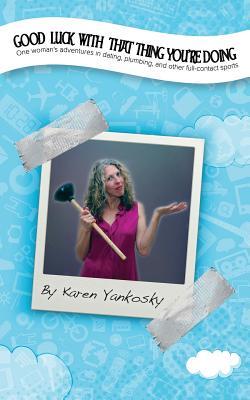
Today, it is my pleasure to introduce you to humor writer, Karen Yankosky. Welcome to Bookin’ It, Karen.  Let’s start by finding out a bit about how you became a writer. When did you decide that’s what you wanted to be, and what steps did you take to prepare for a writing career? 

KY: The only two things I ever really did to become a writer were read voraciously and write constantly. I’ve been doing both for my whole life. Sometimes my writing took the form of long, story-filled letters and emails to friends, and I still write with that same voice. I’m not fortunate enough to call writing a career –yet—but it is a passion. I didn’t attempt anything formal with my writing until 2012, when my divorce led me to go bald. No wait, that’s not quite what happened. I only tore out some of my hair. And…

View original post 1,780 more words

Every writer needs perseverance. And maybe an angry monkey

image By Ned Hickson

Since mid August, I’ve been working on a project collecting the last two years of my “Nickel’s Worth on Writing” posts into an eBook that is part writing tips, part writer’s survival guide. What some of you may not know is that I have the technological IQ of a chimp.

Ok, ALL of you knew that — and you’re probably right: I shouldn’t assume all chimpanzees are incapable of creating an eBook.

Regardless, the process has reminded me of how important perseverance is as a writer and how, as writers, having a chimpanzee capable of tearing apart a laptop with its bare hands could be really therapeutic.

I’ve come to see my eBook-creating experience as a smaller version of the trials and tribulations every writer goes through in the quest for publication (Except hopefully with less cursing.) Every writer begins with a manuscript: Pages with thousands of words, each specifically chosen through a painstaking process aimed at creating imagery, setting a mood and conveying information methodically doled out to establish the perfect pace. Does it make you any less a writer if it doesn’t get published?

Of course not.

That’s like saying you aren’t a singer if you only reach for those high notes while in the shower. It doesn’t matter what you do to hit those high notes, and I’m pretty sure the rest of would rather not know. The important thing is that you don’t need a recording contract to be someone who sings, any more than you need a published book to consider yourself a writer. If you spend time on a regular basis writing your thoughts down while searching for just the right words — whether in the form of a novel or personal observations — you’re a writer.

It’s that simple.

Although if you spend hours in the shower reaching for those high notes, it starts to get complicated.

That said, it’s the hope of every writer to share their words with others. While blogging has streamlined this process and allowed more people than ever to make their words accessible to the world, the printed word — virtually in an eBook or physically on actual paper — still holds a special significance. Admittedly, seeing the title of my first book in the Dewey Decimal System at the library was a thrill. It didn’t matter that I’d probably never be able to find it again by actually using the Dewey Decimal System, or that my identifier on the spine of the book is “HICKS” in all-caps.

Apparently, there are a lot of HICKS around here.

Apparently, there are a lot of HICKS around here.

To become an overnight sensation has taken me 15 years.

And counting, actually.

That’s because, aside from you and readers of my newspaper column, I remain virtually unknown in most parts of the world and to a select group of state law enforcement agencies (which I’d like to keep that way, thanks.)

Did having a book published make me more of a writer? Did it open the door to fame? Fortune? A table at Waffle House without a reservation? Yes! But only to that last one. Although I’m pretty sure you only need a reservation there if you ask for gluten free waffles or meatless sausage. Then there is a three-hour wait.

My point is, published or unpublished, overnight success or one-night wonder (I’d rather not get into that), a writer writes because it is part of who they are. It’s as second nature and as necessary as breathing and eating, although I should warn you that inhaling while eating a powdered donut can be dangerous. Did the fact that I once dropped face-first onto a table at Big Dog Donuts while choking on powdered sugar keep my from having another donut? No way. That’s because as writers we persevere. We brush off the proverbial powdered sugar dust and take another bite.

So as I keep cursing at diligently working on the eBook collection of my Nickel’s Worth on Writing, rest assured I will — like all of you — rely on my perseverance as a writer until it is complete.

Unless a monkey eats my donut.

image

Ned Hickson is a syndicated columnist with News Media Corporation. His first book, Humor at the Speed of Life, is available from Port Hole Publications, Amazon.com or Barnes & Noble.
You know you’re a bit groggy from NaNoWriMo when…

…you refresh your own stats rather than those of your writing buddies. Perhaps I was trying to figure out how much I’d written in my sleep?

Sadly, no matter how many times I hit refresh, my word count remained the same. Guess I’d better go fix that….

Some Possible Answers

images

Been poking around on WordPress’s Help page, and it looks like maybe there’s no way for me to receive notices on posts that aren’t mine.. Perhaps if I Follow the blog again, I’ll get notices of new posts by other authors, and can then check the button at the bottom to be alerted to any comments on those. Will give this a try. Still not sure what the issue is on Bookin’ It, or my other blogs, but I’m working on it. Could one or two of you reply to this, so I can see if MY OWN posts will trigger a notification? I’d appreciate it, thanks! Sorry for the inconvenience, but multiple authors or not, I have to be able to keep up with this blog, if it is going to grow like I hope it will.  Thanks!

If I Missed Your Comments, I’m Sorry

WordPress is once again failing to send me notices of new posts or comments on this blog! It’s making it very difficult for me to keep up with things, and I apologize if you’ve commented or asked questions, and I haven’t responded. Luckily, you guys are doing a lovely job of chatting with each other already, so it’s not quite as critical as it would be on my other blogs. But darn! I like to be in the mix, too, and they aren’t making it easy for me. I’ll try redoing the settings ONCE AGAIN, and see if I can fix it. Just know I’m not ignoring you.

That’s it. As you were, folks! 🙂

Aaaah…Wodin’s Day!

Oh, Wodin’s Day…how I love you!! Everyone should celebrate you with wild and reckless abandon! Why? Because you come right before THOR’S Day, of course, and Thor’s Day is my very favorite day of the week. I mean…hello? THOR!!

tumblr_mu0amgFMpL1sx39yxo1_500

Okay, now that I’ve brightened up the page, and made myself HAPPY, on to the issue at hand. For some reason, I am no longer receiving notices of new comments on any of my blogs, nor of new followers. I’m having to scour the blogs, looking for comments, so I can respond to question or compliments, or…hopefully not…complaints. Please forgive me if you comment and it takes me a while to find and respond to you. It is NOT intentional, I assure you. I’ve checked all my settings, and can’t find the problem, but if it doesn’t get better soon, I’ll have to…*shudder*…contact WordPress and ask for help.

Please just know that I appreciate every single comment, and for those of you who are already set up as Authors, feel free to go ahead and post on any topic you wish. Share your latest news, ask for help, or reblog anything you think might be of interest. And those who haven’t been set up yet, I’m working on it. (I injured my back yesterday, and can’t sit at the computer very long at a time right now, but never fear. This, too, shall pass, and I’ll soon be back here catching up.)

Have a wonderful Wodin’s Day, and get ready for Thor’s arrival tomorrow. 😀


Busy Day Today!

 Irish_Wolfhound_Attila

Irish Wolfhound like Rosheen from Wake-Robin Ridge

Busy, busy, busy this morning. So far, the response to this new blog has been very encouraging. In spite of all the resources out there for writers, it’s often hard to find a spot where you feel at ease, and can make friends. I hope this will be that place. Writers Supporting Writers. That should be our motto. If we help each other find answers, and we help each other promote our works, we can all grow. Writing is not a competitive sport. The more good books there are out there, the more people will love reading. Folks who love to read are always looking for that next great book, so what benefits one writer, benefits us all. That’s my story, an’ I’m stickin’ to it.

Now, I have my first post to do for a new member, so I’m off to put that together. But, don’t worry. I’ll be back. And in the meantime, I’m only an email away if you have questions, or want to share some news for me to post on your behalf.

Have a great, productive day today, and remember to love your work, so it can love you back!