
Check out this wonderful article on how to develop killer plot twists. And while you’re about it, you might want to consider subscribing to Writer’s Digest. I learn something from them just about every day!
4 Ways to Write A Killer Plot Twist
Check out this wonderful article on how to develop killer plot twists. And while you’re about it, you might want to consider subscribing to Writer’s Digest. I learn something from them just about every day!
4 Ways to Write A Killer Plot Twist

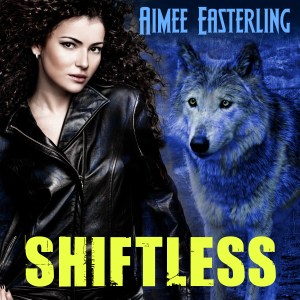 When Kindle Unlimited was rolled out, I read the fine print and realized that subscribers can download audiobooks as well as ebooks for free (with the author receiving about $1.50 per borrow and possibly gaining new fans). Since there are about 700,000 ebooks enrolled in Amazon’s lending library but only about 2,300 audiobooks, I decided I wanted to swim in that much smaller pool. Was it possible for an unknown indie?
The answer is a resounding yes, but like most aspects of self-publishing you’ll need to spend some time and possibly money on the endeavor. ACX is Amazon’s audio wing, where authors hook up with narrators to make independent audiobooks happen. You can choose to pay up front for your narration (a process that will likely cost $1,000 to $5,000), or you can opt for the revenue-sharing possibility as I did. Revenue-sharing costs the author nothing up front, but you split all future audio royalties fifty/fifty with the narrator after the audiobook is produced. Although that sounds like a lot of money to give up, your revenue-sharing narrator does have a vested interest in making your audiobook soar and might help you sell more. On the downside, though, you will have to make your project look very enticing to potential narrators if you want to find a really top-notch voice actor in this scenario.
As you might guess, I used the royalty-share option to produce my first audiobook (which is now available on Amazon, Audible, and (soon) iTunes). I learned a huge amount on the process, too, namely:
Be patient while you wait for auditions. At first, narrator auditions trickled in, but after a week, Amazon chose my project to be eligible for an ACX stipend and they featured the book in their newsletter to producers. That meant that even though I chose the revenue-sharing feature, the narrator would also be paid $100 per audio hour up front. In other words, the stipend made my project look very enticing and attracted some higher-end narrators. (You are most likely to get the stipend if your ebook is already selling very well.)
Stay in touch with your narrator as they work. My narrator and I got our wires crossed and she thought the audiobook was due three weeks later than the date I’d set in the dashboard. Don’t assume your narrator read all the fine print! Send them a message every week or so and make sure you’re both on the same page. And, before you start, make a list of any strangely pronounced names or words in your story as a sort of cheat-sheet for the narrator. (I didn’t know to do this either….) Help make their job as easy as possible!
Consider the pay-up-front option. One of my recent time-sinks has been lurking on kboards, where indie authors share what has and hasn’t worked for them. A few authors there note that they’ve been making as much per title with audiobooks as with ebooks lately, but their method of success involves paying up front for top-notch narration. I’m still not sure whether I’m willing to sink such a huge sum of money into my next audiobook, but if Shiftless does well, I might go that route with book two.
Tell your fans about Audible’s free trial. Audible gives revenue-sharing authors $25 each time someone signs up for a new membership and downloads your book as their first audio adventure. This is a relatively easy sell since your fans probably want to listen to your story and will love the idea of getting a copy for free. So push those free trials!
If you’ve got any questions about audiobooks, feel free to leave them in the comments below. Although it’s taken a bit of time, I’ve vastly enjoyed the experience of turning Shiftless into an audiobook, in large part because hearing my words narrated has made them feel more real. Go listen to the free sample and see what you think! (And, while I’m mentioning free things, I’ve set the ebook version of the prequel short story free at the moment as well, so be sure to snag your copy!)


There are so many interesting books out there with ideas and information on writing, on self-publishing, and on marketing, it’s hard to know which ones are worth your time. Here are three you might consider.
The first is David Gaughran’s Let’s Get Digital. If you are new to the idea of self-publishing an eBook, this is the one you should start with. Gaughran gives you all the scoop on why eBooks are such a good option for new writers (or any writer, really), and plenty of tips on how to go about it. I don’t know when the book was last updated, so there could be a few things that have been changed since it was originally written, but by and large, it is a book that will help you understand why eBooks are dominating the market right now, and why the trend is likely to continue a very long time.
My second choice is also by David Gaughran. Let’s Get Visible is for those of us who have taken the digital self-marketing plunge. We have a book or books out there, but are having trouble figuring out a good way to market them. One of the things I liked about this book is the way Gaughran explains the way Amazon’s algorithms grow and change, and how that should guide your marketing strategies.
And my newest discovery, Write. Publish. Repeat, is a book even David Gaughran praises to the skies as the best book on self-publishing out there. I’m only one third of the way through it, but I’m already learning new concepts from Sean Platt and Johnny B. Truant, who share their own wildly successful methods for becoming self-supporting writers of eBooks. This one could really make a different in how I proceed with my marketing strategy in the months ahead.
What books or blogs have you discovered on self-publishing and self-marketing you really learned a lot from? We’d love it if you’d share with us. Thanks!


That’s my favorite line from this very good post on Ingrid’s Notes, a blog you might be interested in following. I’m always learning new stuff there, or finding old stuff presented in a new way. Check out this post, and see for yourself:
9 Reasons Your Reader Is Bored


Found any interesting articles on reading or writing lately? I found this one this morning, and there is some food for thought here, for sure. Check it out!
A Reader’s Manifesto: 12 Hardwired Expectations Every Reader Has
If you’ve seen (or written) anything you think the group could learn from or enjoy, please share! Remember, we’re all about Writers Helping Writers here. 🙂


Got emails yesterday, confirming that both of my books, Wake-Robin Ridge and Swamp Ghosts, had been approved by The Fussy Librarian, so one step closer to trying out their service. They said they’d email me with the date for when they will each be listed, and I’ll keep you guys in the loop, as I try this one out. Going to try another one or two later today, if I finish my work on Chapter 29 of Rabbit’s story in time. Stay tuned! And be sure to jump in if you have thoughts on, or experience with, any of these services.


Have any of you used services like Book Bub, Book Gorilla, Early Bird, eReaderIQ, or The Fussy Librarian to promote your work? I know BookBub is pricey, and while it might be worth it, it’s not in my budget. The Fussy Librarian has a circulation of 75,000 readers, over 60,000 signed up for notices in my genre. You can get a one-time mention for $9 per book. That’s something I can afford, and submitting a book for approval was a very easy task. So, I’ve done it. I’ll let you know how it works, what the display looks like when the email with my listing comes around, and whether or not I see an increase in sales afterward. I figured for $18, it was worth a shot, but we’ll see how it goes.
What experiences have you had? Let us hear what you have to say, good or bad.

One of my favorite blogs is The Creative Penn. I have learned so much about writing, in general, and CreateSpace in particular, from the blog, and especially from guest blogger, Dean Fetzer. There is an ongoing post on the Top Ten Tips For Self-Publishing here, and the questions and answers below are fantastic sources of information about the CreateSpace process. Check it out. Or better yet, follow it, and you’ll learn something every time a new question is posed. The mail load isn’t huge, but the information IS. While you’re there, check out Joanna Penn’s books, too!

One of the things I’d like to do with this blog, is share resources with each other, especially ones that are thorough, yet easy to understand. Most of you are probably a lot younger than I, so this might not be quite as big of a problem, but I went to high school a very long time ago…graduated in 1962, to be exact. (Your math is correct. That’s more than 50 years ago!) But my point is that my English, while better than average, probably, is far less than perfect. And for me, good grammar is essential when writing a book. Don’t ever think that people won’t notice, because they do. And they mention things like that in reviews, which are so important to the sale of your books. So, unless you are an English teacher (and maybe even then, on occasion), you are going to want to have a quick and easy reference to grammar rules close at hand.
I have my trusty copy of Strunk & White’s The Elements of Style on my desktop, of course. (I firmly believe every writer needs a copy of that.) But I often head to websites and blogs that provide quick and easy to remember ways of refreshing the rules for me. One of the most useful blogs I’ve found is C. S. Lakin’s blog, Live, Write Thrive. She has some of the best and easiest ways to remember grammar rules, plus she gives fantastic advice on plotting, structure, and other topics we writers often want to learn more about.
When I Google for something like “the difference between affect and effect,” say, I frequently end up on Grammar Girl’s site, too, though I have to say, the page itself has gotten a bit unwieldy for me these days, with a ton of pop-ups and a less user-friendly interface than it once had. That could just be my browser, perhaps. But there’s a lot of great info to be found there.
I’d love to know what resources you’ve found that you can’t live without. I’m talking quick and easy references here, as opposed to the larger writing forums out there. Is there a blog, bulletin board, or website you use regularly? Inquiring minds wanna know! 🙂

Award-Winning Texas Author
Southern stories of grace and grit
Writing Tips from Valerie Ormond
Author, Artist, Poet
Fantasy Author
Author
Christian Fiction Reviews by Christian Authors
Mystery, magic and mayhem
Passionate Teacher and Future Children's Author
Writing Advice from a YA Author Powered by Chocolate and Green Tea
Humor at the Speed of Life
TELL YOUR STORIES, LOVE YOUR LIFE
From Rat Race to Road Trip: Overlanding With Four Dogs!
Author Page
Random thoughts, life lessons, hopes and dreams
A groovy little website by children's book author Mike Allegra
Mind-Blowing Facts You Didn’t Know
Suspense Lives Here
Embrace your inner child by reading a good book!
WordPress & Blogging tips, flash fiction, photography and lots more!
 The Write Stuff